Pilot trials
In the electrification of transportation, home charging plays a crucial role, as privately owned electric vehicles are most often charged at home. However, arranging charging home charging in larger apartment complexes (housing cooperatives) can be difficult due to lack of information on the capacity of apartment’s electrical system, or the bureaucratic requirements on facilitating the construction and the management of the charging infrastructure. The goal of the charging point assessment conducted was to find possibilities, barriers and ‘bottlenecks’ of construction of home charging in larger apartment complexes in the Lappeenranta region.
Based on prior information from Lappeenranta Energiaverkot (local distribution network operator), there should be enough unused capacity left in the overall electrical system of larger apartments in the Lappeenranta area. The assessment acts as case study to find real-life issues and their solutions and considers how scalable these solutions could be. At the same time, the assessment process is meant to distribute information for the housing cooperatives on the requirements of construction, management, and other demands of home charging infrastructure.
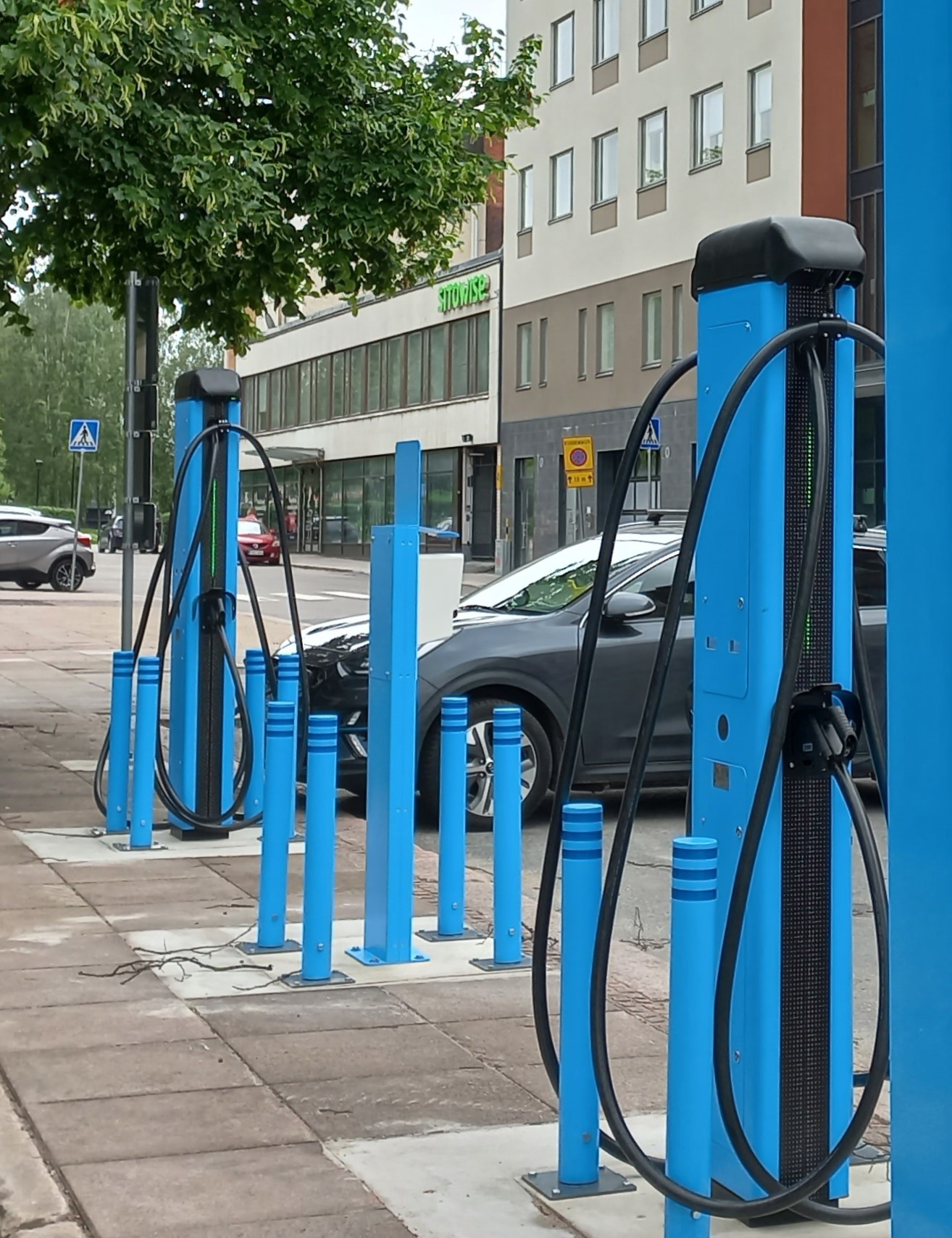
The project has helped facilitate the procurement of electric shared cars for use by residents of Lappeenrannan Asuntopalvelu. Four passenger cars were purchased and deployed to various Asuntopalvelu's locations throughout the city. In addition, one van is in use. The shared cars enable emission-free travel to locations that cannot be reasonably reached by public transportation or on foot.
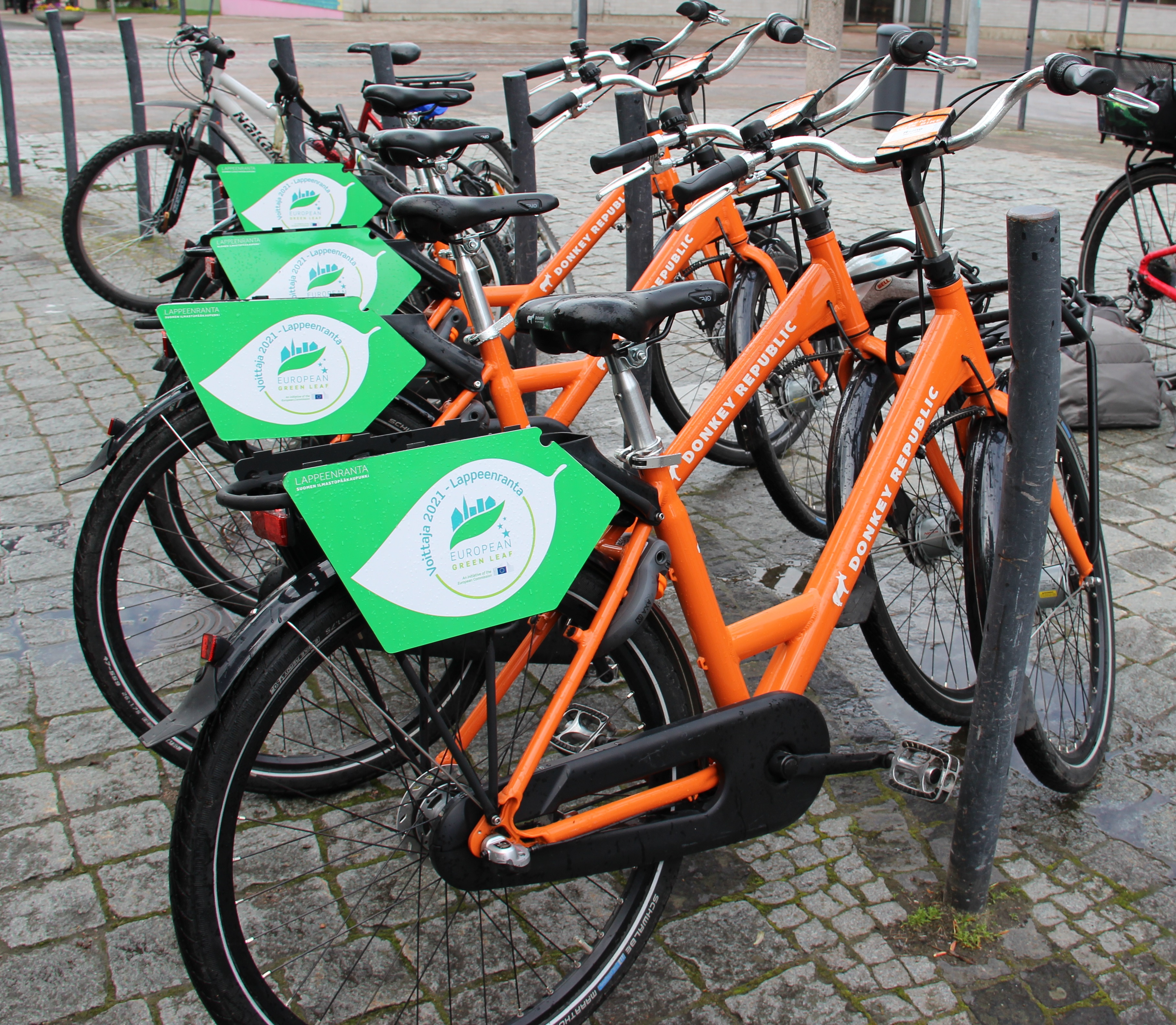
In addition to the shared cars, the project has helped expand the city bike network. Twenty new city bikes and new bike stations make cycling more accessible in the Myllymäki area of Lappeenranta.
Adding deadwood to urban environments and residential yards is an effective and low-cost way to increase carbon storage and promote biodiversity, providing habitats for thousands of species such as insects, fungi, and birds. In urban forests and parks, the amount of deadwood can be increased by leaving felled tree trunks in place, creating artificial snags, or using woody material in environmental art.
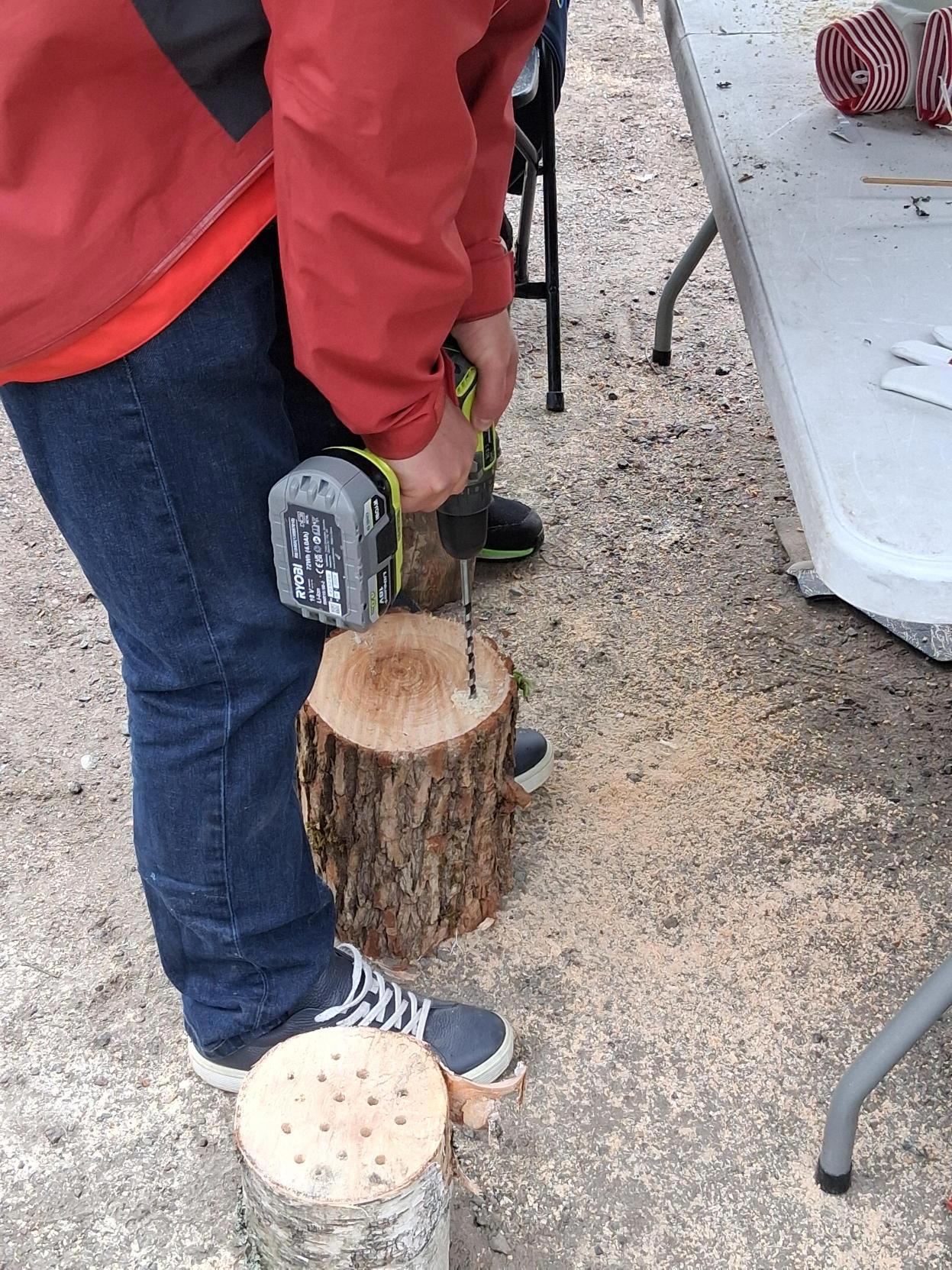
Felled tree trunks and logs cut from them can also serve as carbon sinks and support biodiversity in residents’ yards. As one of the measures in the HALT project, we organized a campaign in which smaller trunks and logs from felled trees were offered to residents to take to their own yards. In addition, the event included a workshop where participants built insect hotels from the logs and received guidance on how to strengthen biodiversity in their own gardens.
When clearing areas, for example for industrial sites, large quantities of tree stumps often need to be removed. Their most common use has traditionally been for bioenergy, but stumps can also provide a cost-effective solution for increasing carbon storage. For example, stumps can be submerged in wetlands, where they decompose very slowly and the carbon they contain can remain stored for hundreds of years. The cost of avoided carbon dioxide emissions through storing stumps in wetlands is approximately €15–40 per tCO₂e, depending on the price of energy wood and the costs of stump processing and transportation.