
First phase
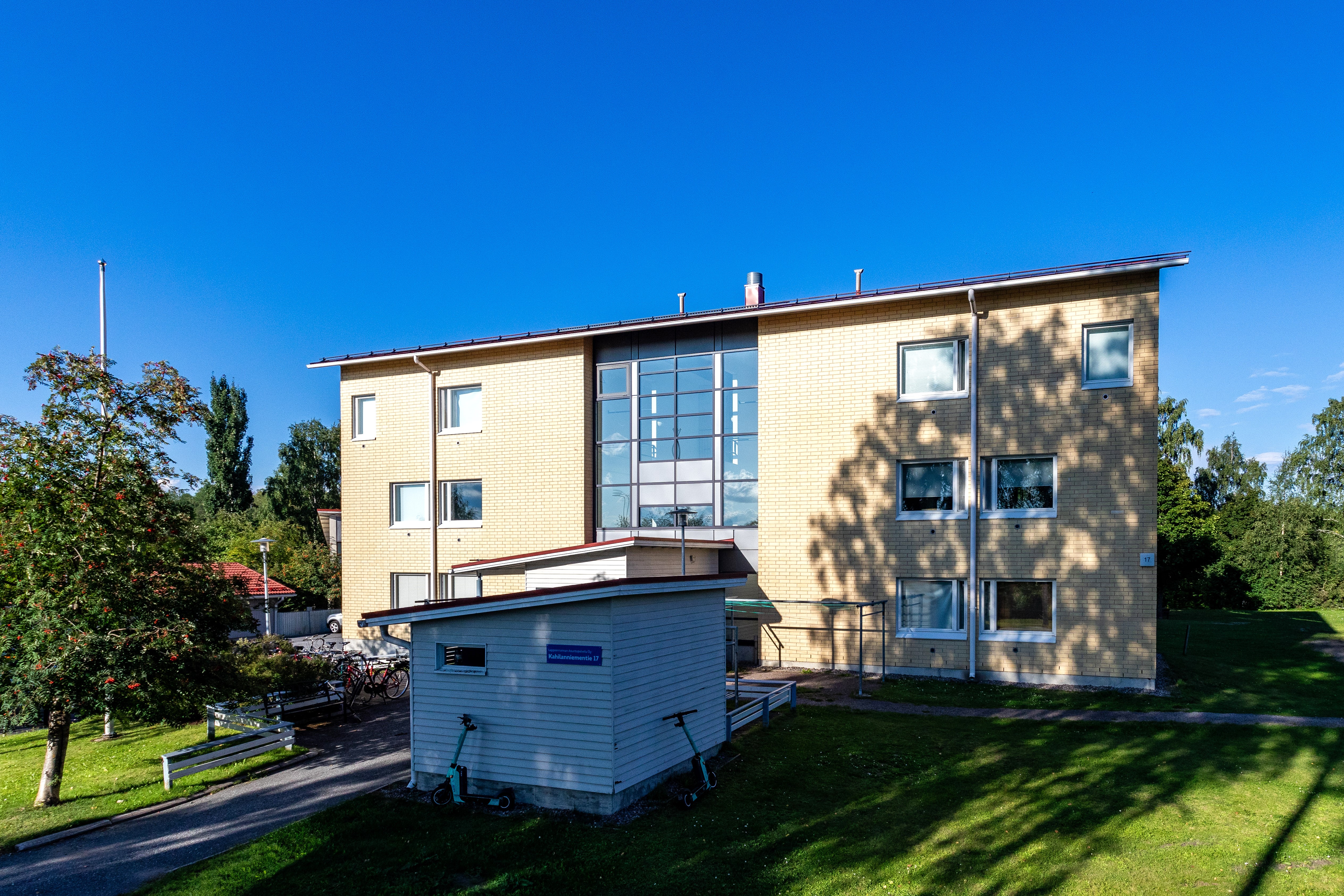
In the first phase of the pilot, demand response systems were installed in nine properties owned by Lappeenrannan Asuntopalvelu Oy, covering a total of twelve buildings. An optimization application was also developed for Lappeenrannan Energiaverkot to determine the most cost-effective timing for demand response actions.
The pilot results demonstrated that utilizing demand response can improve the efficiency of district heating network operations. Network heat loads can be reduced through downward flexibility measures, resulting in energy savings and lower emissions. Although the flexibility capacity achieved during the first phase was not yet sufficient to create a major system-wide impact, the pilot showed that demand response actions were successfully timed to periods that were beneficial in terms of network transfer capacity and reduced need for temperature increases.
Demand response also generated financial benefits for both the energy producer and customers. Optimized heat production and energy savings reduced costs, positively impacting both companies and residents.
Heating costs decreased by an average of €950 per property during a single heating season, corresponding to an average energy saving of 7%. During the first monitoring period, the heating optimization settings were continuously refined, and by the end of the period the average heating energy savings had already increased to 9.5%.
The first pilot phase and its interim results indicate that district heating demand response can provide significant benefits in terms of energy efficiency, emission reductions, and economic savings. The solutions developed during the pilot, together with cooperation between different stakeholders, created a strong foundation for further development and wider implementation in the future.
A master’s thesis (in Finnish) was also completed based on the first pilot phase. The thesis examined the impacts of district heating demand response on the district heating network.