
Aims of the project
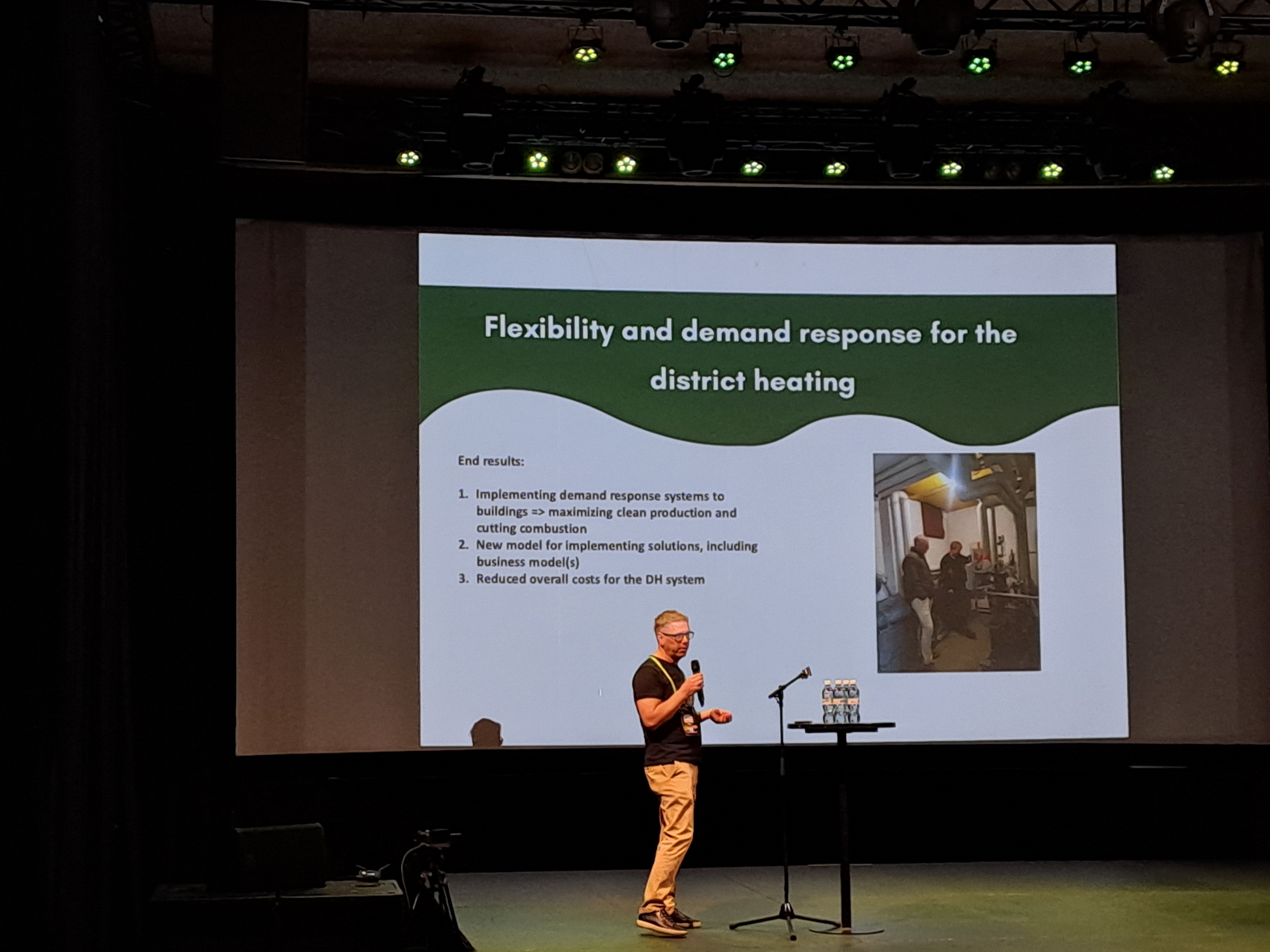
The primary objective of the project is to achieve direct emission reductions through smart heating control systems installed in buildings, as well as indirect emission reductions by providing flexibility capacity to the district heating network without compromising indoor comfort conditions.
The flexibility measures are primarily aimed at reducing peak demand in the district heating network, which improves the energy efficiency of heat distribution. By flattening consumption peaks, the temperature of district heating supplied to buildings does not need to be raised as high as it would without demand response measures. Peak demand periods are often covered using fossil energy sources, meaning that the emission reduction impact is greatest during times when the carbon intensity of district heating production is at its highest.
The project also creates wider systemic benefits. In Lappeenranta, electricity is produced alongside district heating, and heat can also be generated efficiently using electric boilers. Demand response measures are timed according to electricity market prices, enabling increased electricity production when supply is limited and increased electricity consumption for heat production when renewable electricity is abundantly available.
In addition to emission reduction targets, the project has a commercial objective of promoting the wider adoption of demand response solutions in centralized heating systems. Demand response and smart heating control generate savings for both district heating companies and property owners, while also creating revenue opportunities for commercial solution providers. At the same time, these services also generate costs for the involved stakeholders.
Although smart heating control may reduce district heating sales volumes, more flexible and responsive heat consumption improves the overall profitability and efficiency of heat delivery. The long-term objective is to create a system in which less heat is consumed and heat can be produced more cost-effectively, resulting in overall economic and environmental benefits for the district heating business.
The project aims to develop a fair operating model in which the financial benefits generated through savings are shared equitably between commercial system providers, property owners, and the energy company. While the project cannot directly influence the pricing of commercial solutions, it can establish property-specific principles for determining when such solutions are economically beneficial overall.
As part of the project, operational guidelines will also be prepared for the commercialization and implementation of demand response services within district heating systems.