
Smart controlling of district heat reduced heating costs in Lappeenranta
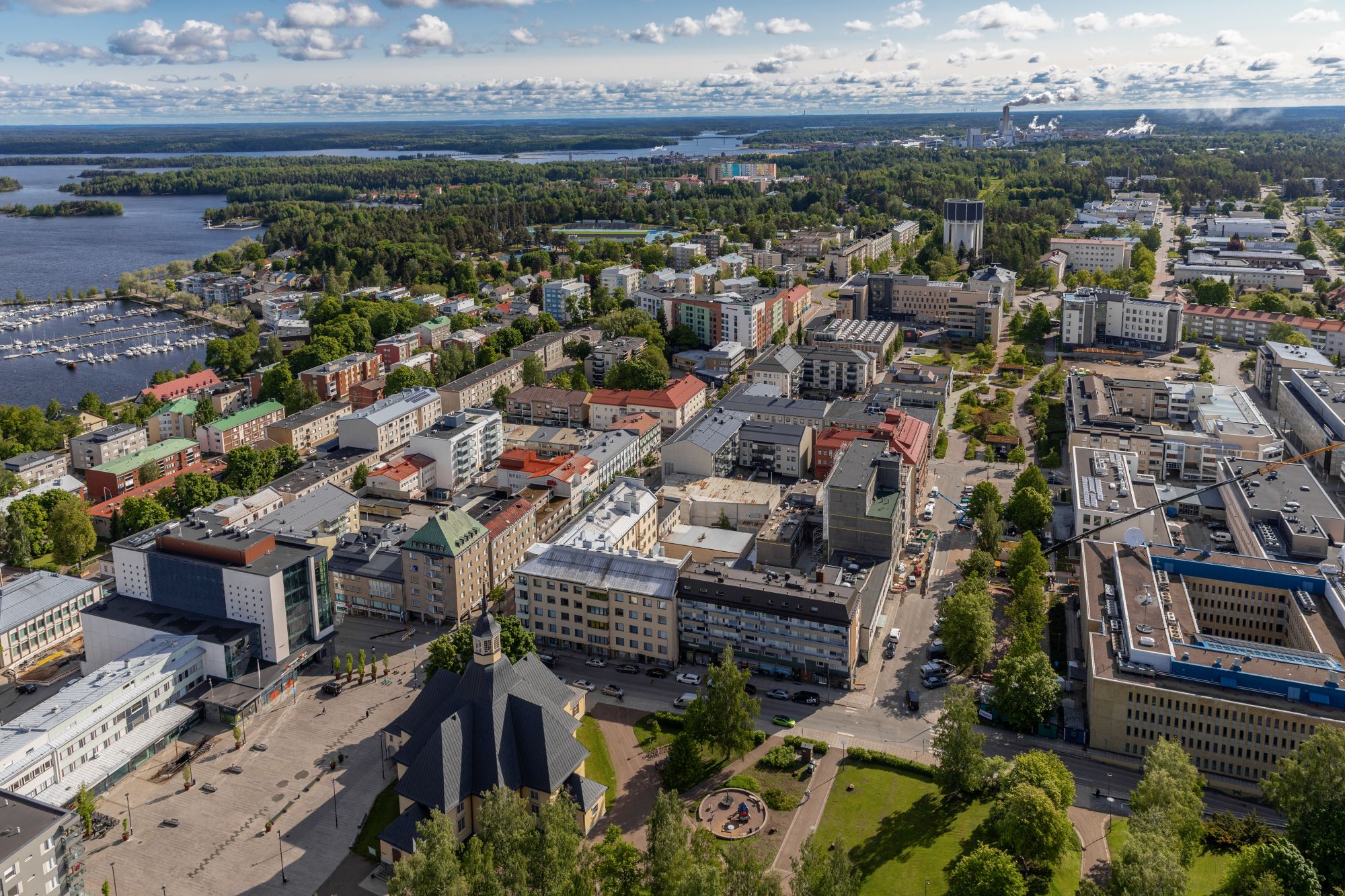
The City of Lappeenranta, together with Lappeenrannan Energia, carried out a pilot project testing smart controlling of district heat during the 2024–2025 and 2025–2026 heating seasons. The pilot reduced heating costs in apartment buildings by an average of around 10%, corresponding to annual savings of approximately 1500 €. At the same time, the buildings were used to test district heating demand response, which allows heating to be scheduled more flexibly.
The results varied between buildings, as some properties already had highly efficient heating systems, while others had greater potential for savings.
Savings without compromising living comfort
The optimisation of heating was based on anticipating buildings’ demand using, for example, the following day’s weather conditions and expected energy demand. This made it possible to schedule heating more efficiently without compromising indoor conditions or residents’ comfort.
At the same time, the buildings were equipped with the capabilities needed to participate in district heating demand response. In practice, demand response means that heating output can be temporarily rescheduled when there is a need to adjust heat production or energy use.
According to Ilkka Räsänen, Environmental Director of the City of Lappeenranta, residents’ everyday comfort is the top priority.
− The results show that smart controlling of district heating can simultaneously reduce energy consumption and increase the flexibility of the heating system. It is particularly important that these solutions can be implemented without requiring any changes to residents’ everyday lives or living comfort.
Expanding demand response to public and commercial buildings
During the 2025–2026 heating season, demand response was expanded to 11 public and commercial buildings, including a swimming hall, City Hall and school buildings. These buildings already had extensive measurement and control capabilities in place.
The pilot also involved developing methods for the impartial assessment of the performance and impacts of demand response. At its best, the pilot enabled approximately one megawatt of flexible heating capacity to be utilised. This corresponds to the heating capacity of around 150 average detached houses in Lappeenranta. The results indicate that the system has even greater potential, as some buildings only joined the pilot towards the end of the heating season. The system will continue to be developed and optimised during the coming heating season.
The pilot was found to be a successful solution in the city’s properties. Going forward, the aim is to expand the service to new buildings and properties undergoing renovations.
Smart controlling of district heat was tested as part of the BeyondEE project, which is part of the European Union's NetZeroCities program. Under the programme, European cities pilot solutions aimed at achieving zero emissions. In addition to the City of Lappeenranta, the project partners include Lappeenrannan Energia, Lappeenrannan Toimitilat Oy (LATO), the Lappeenranta Student Housing Foundation (LOAS), and Lappeenrannan Asuntopalvelu Oy.
Further information:
Ilkka Räsänen, Environmental Director
Tel. +358 40 081 5284, ilkka.rasanen@lappeenranta.fi
Petri Kero, Climate Advisor
Tel. +358 40 653 0508, petri.kero@lappeenranta.fi